

Bear or Kool-Aid Man?
With 294 black bears on the ground by the last day of August, Colorado Parks and Wildlife have had their hands full this year and now, even with hunting seasons now underway, are not expecting any kind of slow down. In addition to state-led euthanizations, officials have relocated 98 bears this year as well while sightings and incidents rise to near unprecedented numbers.
In comparison with last year’s numbers, the state is killing bears at nearly four times the rate they did last year and sightings have spiked by over 130 percent. Despite the death toll, Colorado is still estimating a healthy population of bears, pegging current numbers between 17,000 and 20,000 animals. What state biologists are pointing to now is not a magically multiplied population, but one that is desperately in search of forage after a failed mast.
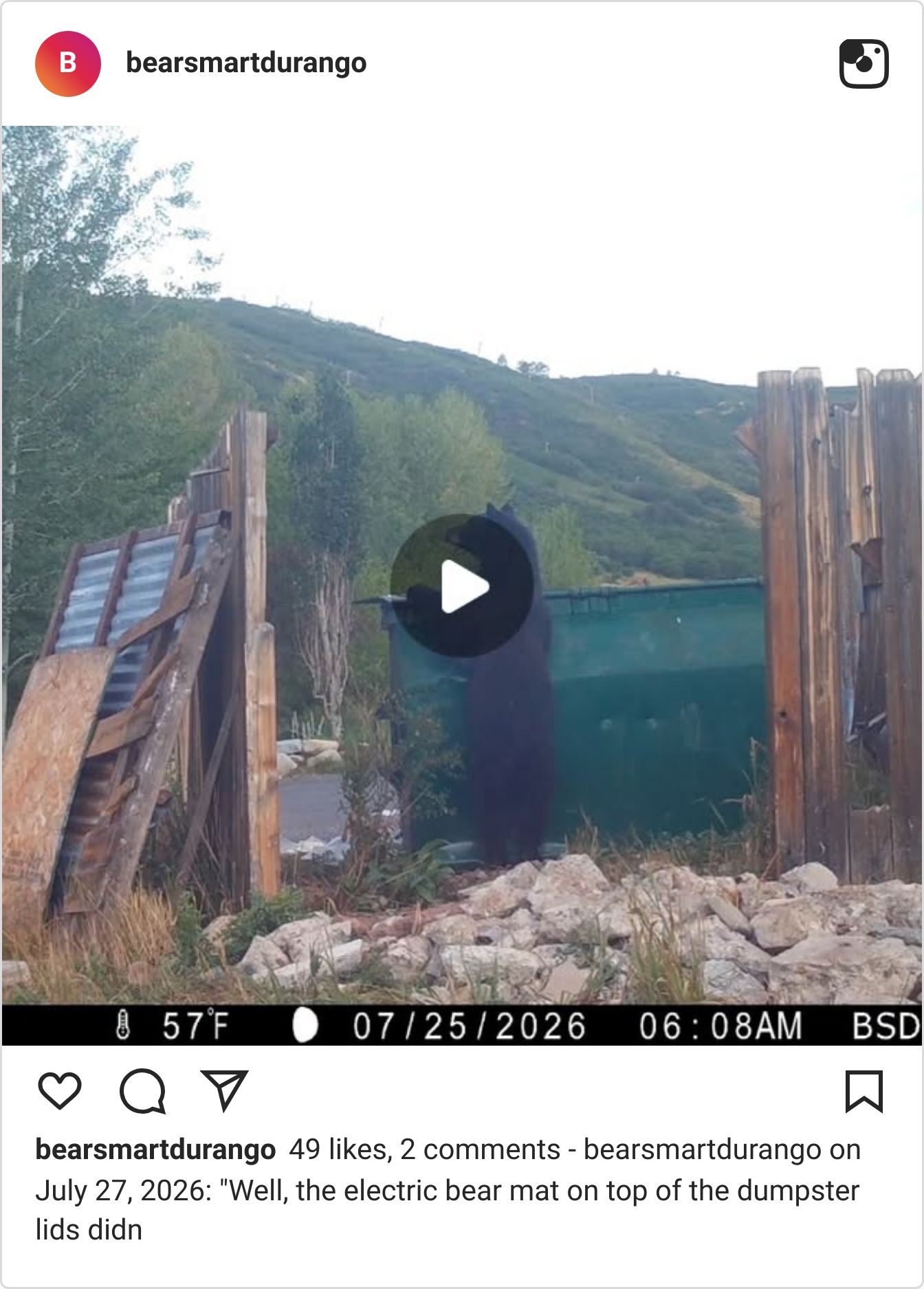
A warm spring followed by hard freezes, then drought and fire, collapsed the berries, acorns, and other plant foods that carry bears through the months before they den. By late summer, bears had entered hyperphagia, the long, restless feeding period in which an adult may search nearly around the clock for as many as 20,000 calories a day. Unfortunately for those with insatiable appetites, in much of the high country there was little left to find. What remained, too often, was in town.
The same weather has written a smaller version of the story in Utah, where Division of Wildlife Resources biologists had answered 168 bear calls by late August and euthanized 39 animals. Heading south into New Mexico, their wildlife agency had already killed 129 bears on depredation complaints by mid-August, while property owners put down another 58 after livestock losses or break-ins, marking the highest conflict toll there since 2011.

With hunting seasons opening up in Colorado last week, the hope is that a little bit of pressure on bears will slow state-led killings down. Unfortunately, a portion of the state’s bruins are already accustomed to human food and hunters are without baiting, hounds and spring seasons after voters took those tools away back in 1992.
For now, Colorado officials are leaning heavily on temptation mitigation. With euthanized bears showing signs of agony and upper intestines packed with plastic bags and wet wipes, trash remains the primary reason bears are in towns.
With a fractured mast crop, CPW has been searching out release sites a hundred miles out, across drainages, and at elevations where acorns remain. But at this point in the year, it looks as though the towns are the bait piles that will keep animals coming back, especially for those who already know where the calories can consistently be found.
